Contents
- Are Electric Vehicles More Expensive to Repair?
- Debating the Cost of Repairs
- In-depth Analysis of Repair Costs
- Factors Contributing to Higher EV Repair Costs
- The $42,000 Rivian Repair Bill
- Cost of Repairing a Tesla
- Vulnerability of EV Batteries
- Do Electric Cars Cost More to Insure?
Are Electric Vehicles More Expensive to Repair?
Maintenance of electric vehicles is known to be cheaper compared to their internal combustion engine counterparts, as they have fewer mechanical parts and don't require oil changes. But what about the repair costs for inevitable damages post-accidents?
It's important to know a vehicle's history before purchasing, especially for electric and internal combustion engine vehicles imported from the USA. History checks can reveal past accidents, repairs, and maintenance, significantly impacting future repair costs. Learn more about how to check the history of a car from the USA.
The question is more complex. Despite alarming stories, there is no data yet to confirm that electric vehicle repairs are generally more expensive than comparable internal combustion engine vehicles. However, evidence suggests that the average cost of post-accident repairs for EVs is slightly higher, with varying repair costs across different models and brands, similar to ICE vehicles.
Debating the Cost of Repairs
The discussion on electric vehicle repair costs gained traction after studies with varying results. Data analysis from the third quarter of 2023 showed that the average repair cost for electric vehicles was $950 higher than for gasoline vehicles. However, this difference is largely due to the higher repair costs of Tesla, the most common electric vehicle brand in the USA. Excluding Tesla, the average repair cost was only $269 higher.
In-depth Analysis of Repair Costs
Despite such data, studies by the HLDI show that repair costs for electric vehicles after collisions — in terms of dollars spent on insurance claims — do not differ significantly from those for gasoline vehicles. The analysis included multi-year insurance and repair data for models available in both electric and gasoline versions, such as Volkswagen Golf, Mini Hardtop, and Volvo XC40, considering various factors, including owner location, driver demographics, and vehicle mileage.
Factors Contributing to Higher EV Repair Costs
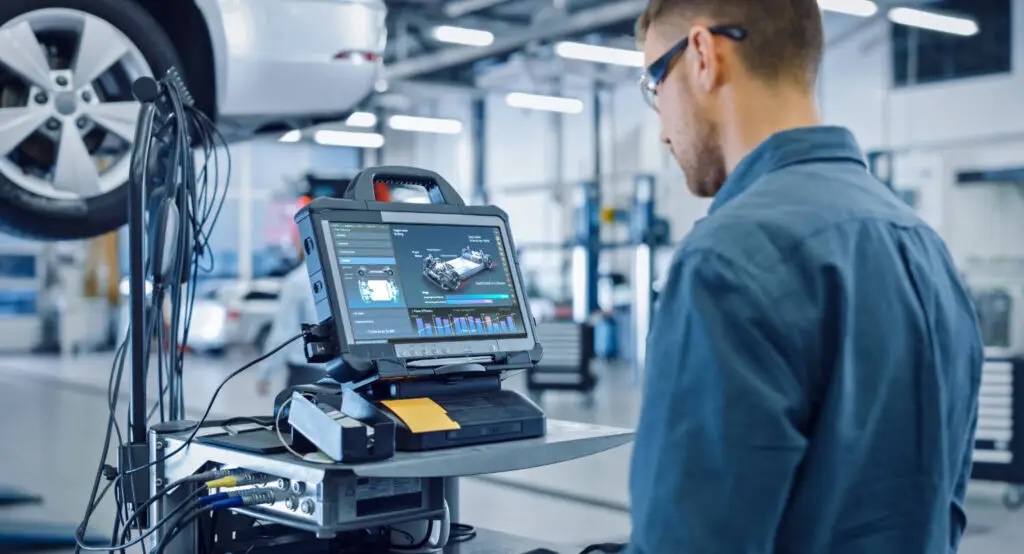
Several reasons make electric vehicle repairs more expensive, though these differences may decrease as more electric cars hit the roads, repair experience accumulates, and manufacturers focus on repair costs. As of mid-2023, there were about 2.7 million electric cars on US roads, still a fraction compared to nearly 288 million total passenger vehicles, according to Experian. Cost-influencing factors include:
- Advanced technology: Electric vehicles often feature the latest technologies, making them more expensive to repair due to high component replacement and calibration costs.
- Repair specificity: Electric vehicle repairs often require specialized parts directly from the manufacturer, reducing the possibility of using cheaper aftermarket alternatives.
- Model exclusivity: Many electric vehicles fall into the luxury segment, where repair costs are traditionally higher, regardless of the engine type.
- Limited service network: The relatively small number of service centers with the necessary skills and equipment for electric vehicle repairs can affect the cost and availability of services.
- Additional labor: Electric vehicle repairs may require extra work for safe handling of the battery, even if it is not damaged.
The $42,000 Rivian Repair Bill
Many wonder why repairing a Rivian costs $42,000. The issue is complex, as the cost to repair this pickup, Rivian, is not solely due to its electric nature. It's a result of various intertwined factors: its electric design, unique construction features, startup status, and limited production volume.
Cost of Repairing a Tesla
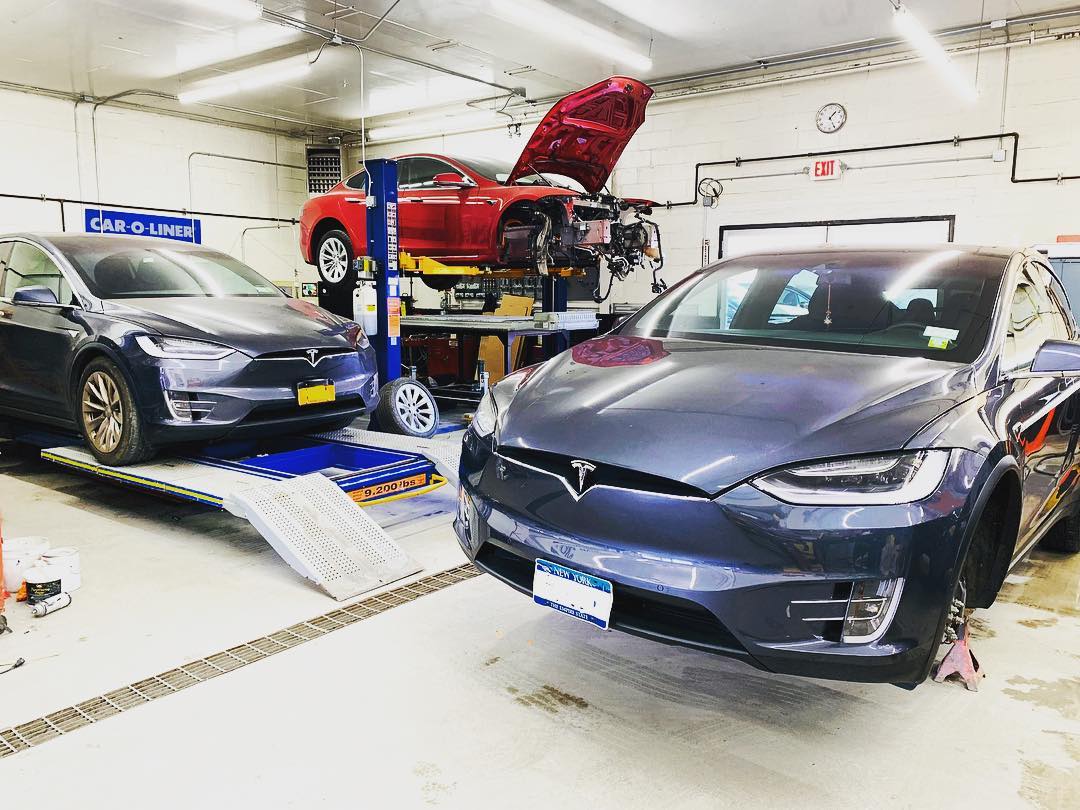
Tesla repair costs are higher, as HLDI's 2020-22 study shows, with repair costs varying by model. For instance, insurance expenses for repairing an all-wheel drive Model S sedan are on average 2.4 times higher than the overall average, and significantly more than other vehicles in the large luxury car segment, where average costs are typically double the general level.
Vulnerability of EV Batteries
Concerns exist that electric vehicle batteries are particularly vulnerable in collisions, and even minor damages can lead to a vehicle being declared a total loss, considering the high cost of batteries. However, insurance claim analysis for electric vehicles from the 2020 model year onwards shows that the total loss rate is 7.25%, slightly lower than for comparable luxury gasoline vehicles (7.47%) and all ICE vehicles (8.49%).
Do Electric Cars Cost More to Insure?
Insurance for electric vehicles can be more expensive because they are costlier and more complex to repair. However, as battery prices decrease, insurance costs may level off with conventional cars. The insurance cost varies by model: for example, insuring a Chevrolet Bolt is usually cheaper, while a Tesla Model X is significantly more expensive than average.
Comparing Repair and Insurance Costs for Electric and Gasoline Vehicles
- Electric vehicles aren't necessarily more expensive to repair but may have specific factors affecting costs.
- EV repairs can be costlier due to the use of original parts and technological complexity.
- Battery damage can significantly increase repair costs and the risk of total loss for EVs.
- Insurance for EVs can be more expensive, but decreasing technology costs and the increasing number of EVs on the road may balance prices in the future.
- Electric vehicles may have a lower theft rate, which is an advantage for insurance.