Contents:
- How Long Do Hybrid Batteries Last?
- The Most Reliable Hybrid Cars
- What to Do When Your Battery Warranty Expires?
- Signs of a Failing Hybrid Battery
- How to Maintain Battery Health
How Long Do Hybrid Batteries Last?
One of the primary concerns for potential buyers of fuel-efficient hybrid vehicles is the lifespan of the hybrid battery. Opting for a hybrid over a conventional gasoline vehicle, the buyer hopes for fuel savings while taking on the risk associated with a costly component: the high-voltage battery that stores the system's electrical energy.
Like any other automotive component, batteries degrade over time, and if they fail, the hybrid ceases to function. However, nearly a quarter-century of modern hybrids has shown that the risk of battery failure is very low for at least eight years of operation or up to 100,000 miles.
In cases of underperformance, the hybrid's high-voltage battery is also covered by a separate long-term warranty, which is almost always longer than the warranty on the gasoline engine or other major components. All manufacturers of hybrid and plug-in hybrid vehicles in the US are required to offer a battery warranty for at least eight years or 100,000 miles, and in California and 13 states that follow its emissions rules, a longer warranty is required — for 10 years or 150,000 miles for new cars purchased and registered in these states. In most cases, this warranty is also fully transferable to subsequent owners until it expires.
The Most Reliable Hybrid Cars
Hybrids have ranked higher in reliability than traditional gasoline vehicles, as well as PHEVs and fully electric cars in the latest annual vehicle reliability survey by Consumer Reports. On average, hybrids experienced 26% fewer problems than internal combustion engine vehicles, the report notes.
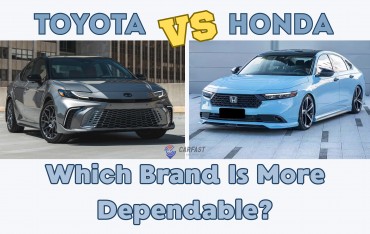
Meanwhile, fully electric vehicles on average showed 79% more issues compared to traditional gasoline vehicles, and PHEVs — 146% more. Jake Fisher, Senior Director of Auto Testing at Consumer Reports, said that the high ratings for hybrids are partly due to many of them being based on conventional vehicles, which already score high for reliability. Among the models that received above-average reliability ratings were the hybrid versions of the Toyota Camry sedan and the Highlander SUV, as well as the Toyota Prius and the Honda Accord Hybrid.
What to Do When Your Battery Warranty Expires?
Online, you can easily find stories from hybrid owners who take pride in their original battery lasting 15 years or more and covering over 200,000 miles. However, these are exceptions rather than the rule.
Before purchasing a vehicle from the US, we strongly recommend checking the car by VIN code, buying carfax, autocheck reports. Studying the vehicle's history. A VIN code check can help you avoid future problems.
You might also encounter a situation like the one a hybrid owner faced this week when the battery in his 2012 Prius failed; the car is over 10 years old, and the warranty no longer applies, with only about 80,000 miles on the odometer. The cost to install a new battery at the dealer: $4,600. Replacement is the only option, as the battery is not designed to be serviced. Opting for a remanufactured battery from third parties will be less expensive (and a battery from salvage even cheaper), but it's a risk they're not willing to take for a low-mileage car they plan to keep.
Signs of a Failing Hybrid Battery
- Appearance of a warning light on the dashboard.
- A decrease in fuel efficiency compared to before.
- The gasoline engine may run more frequently, compensating for the lack of battery power.
- The emergence of unusual noise or an increase in noise level. An increased load on the gasoline engine can alter the sound of the car while driving.
- Changes in the behavior of indicators. Fluctuations on the charge display or sudden jumps in battery charge level can be a warning sign.
- A decline in vehicle performance. A hybrid that responds less responsively to controls may indicate that the battery is producing less energy.
How to Maintain Battery Health
The lifespan of a hybrid battery can be extended by following several recommendations:
- Do not ignore warning signals. It might be possible to easily address the issue before it becomes serious.
- Adhere to the maintenance schedule. Regular inspections and preventative maintenance help maintain good condition and ensure the proper functioning of key systems, such as the battery cooling system.
- Maintain the battery charge. Conventional hybrids charge the battery only while moving. If you plan to leave the car for an extended period, consult the user manual or dealer for recommendations.
- Avoid aggressive driving styles. Rapid starts increase the load on the battery, whereas smooth stops help charge it more effectively. You can also use driving modes that enhance regenerative braking.
Understanding the basics of how a hybrid vehicle works will help in caring for the battery. An electric motor or motors supplement the gasoline engine to power the vehicle, and the energy for this comes from the battery. In a conventional hybrid, the battery is charged mainly through regenerative braking: when you release the gas pedal, the electric motor acts as a generator, converting the vehicle's kinetic energy into electricity and slowing it down. Most hybrids allow you to control the aggressiveness of regeneration — in some cases to the extent that you can drive the car without touching the brake pedal (so-called "one-pedal driving"). Hybrids also get some of their battery charge from the gasoline engine. (In PHEVs, a larger battery is also charged from an electrical outlet, as in fully electric vehicles.)
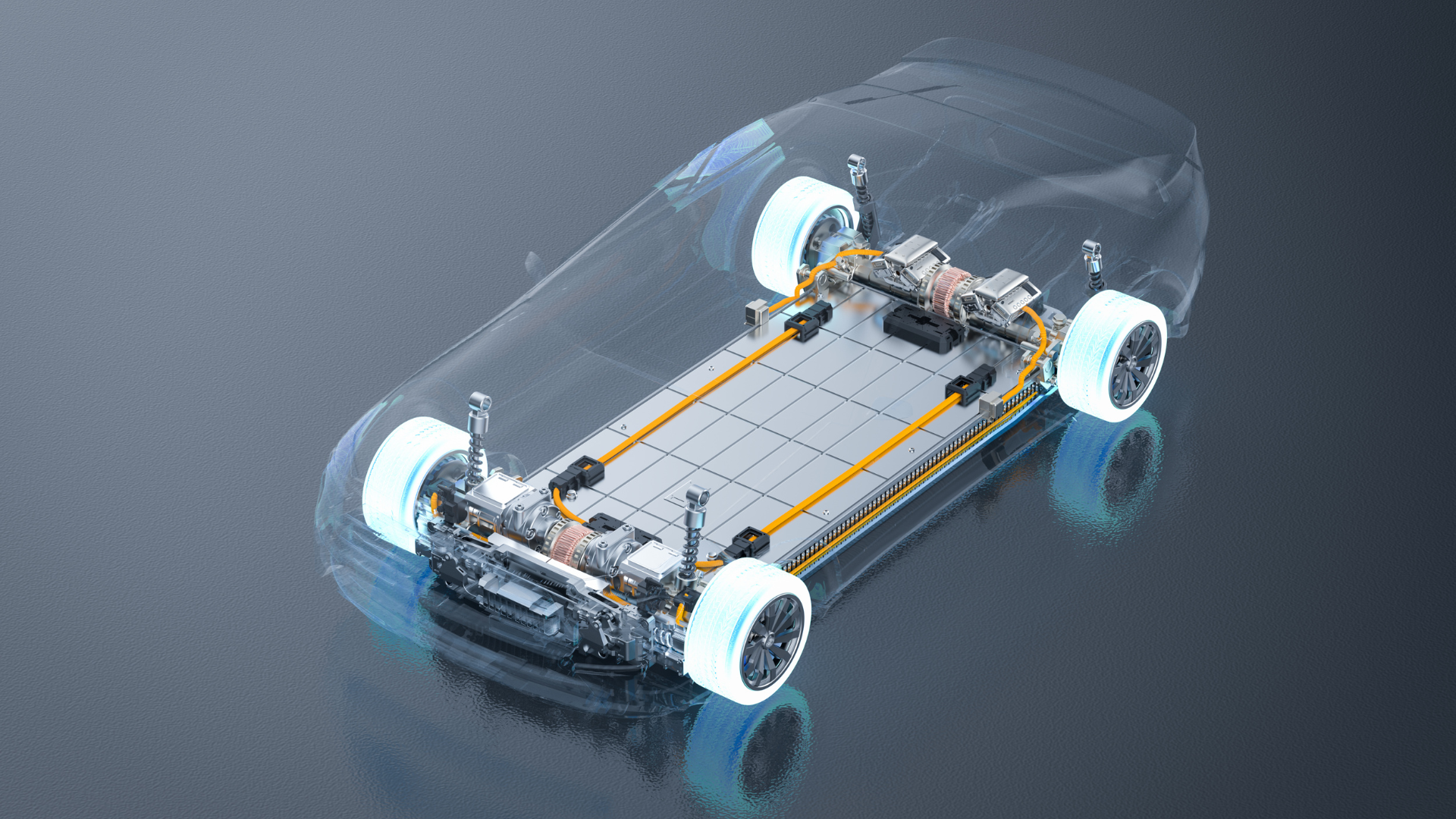
The drive battery in a hybrid consists of individual cells linked together in a pack, forming one large and powerful battery. The cells are interdependent, so if one begins to fail, it can degrade the performance of the others. Electronic battery management monitors the flow of electricity to and from the battery, as well as the condition of each cell, to maintain the overall health of the pack.
Most hybrids use batteries based on lithium-ion or nickel-metal hydride chemistry. Each type has its advantages, and some manufacturers, like Toyota, use both depending on the model of the car. Battery technology and efficiency are evolving rapidly.
"Batteries continue to evolve in size, weight, and performance," says Toyota representative Zachary Reed. "The new generation of the Prius uses a smaller battery but provides better performance and efficiency than the previous generation."
Key Points on Reliability and Maintenance of Hybrid Batteries
- Modern hybrid batteries show a low percentage of failure within the first eight years of operation or up to 100,000 miles.
- Hybrid vehicles are rated as more reliable compared to traditional gasoline vehicles, as well as PHEVs and fully electric vehicles.
- In the event the battery warranty expires, the cost of replacement can be significant, however, more economical alternatives exist.
- It's important to pay attention to signs of battery failure and follow maintenance recommendations to extend its lifespan.
- The technology behind hybrid batteries continues to improve, promising better performance and efficiency in the future.