Contents:
- Condition and Mileage
- Importance of Location
- Brand
- Warranty Service
- Type of Vehicle
- Pricing and Resale
Condition and Mileage
There is no exact mileage limit for used cars as multiple factors influence the condition of a vehicle. For example, a well-maintained family car with 145,000 miles might be in better condition than a work truck with only 25,000 miles. A car might look appealing on the outside but hide serious issues due to inadequate maintenance. Nonetheless, it is advisable to opt for cars with lower mileage, as high mileage is generally undesirable.

It's important to consider the annual mileage of the vehicle. If a relatively new car has tens of thousands of kilometers, it should raise concerns: such statistics might indicate that the previous owner did not maintain it properly.
On the other hand, a high-mileage car that has not been used much might not be a good purchase. Even cars that look good but have been sitting idle in a garage can hide problems. Long periods of inactivity can damage rubber seals and other wear-resistant components, leading to leaks and costly repairs.
Should You Buy a Car with Over 120,000 Mileage? Buying a used car with over 120,000 miles can be a worthwhile investment provided it's thoroughly inspected and comes with a complete maintenance history. It's crucial to examine the car for hidden damages and have a diagnostic check by a reliable mechanic. If the car has been regularly serviced and is in good condition, it can serve faithfully for many more years. However, without full confidence in its history and condition, the risks might outweigh the potential benefits.
When buying a high-mileage car, look for models with the maximum amount of documentation. This will help you understand how well the previous owner cared for the car and what maintenance work is upcoming. A full service history is particularly important for older vehicles, but a lack of any documentation should be a cause for concern.
It's also important to check the accident history of the car. If the car has been in an accident and improperly repaired, it's better to avoid buying it and consider another model. However, minor damage professionally repaired should not be a problem.
Importance of Location
Cars can last longer in places with less rainfall, no snow, and a mild sunny climate year-round. If you live in a region with real winter weather, it might be wiser to look for a used car outside the snow belt. Spending time traveling to get the car or transporting it from another region could be more beneficial than buying one that has already suffered from rust and wear due to salt and sand.
Brand
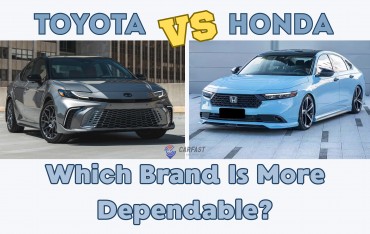
There was a time when some automotive brands were known for their high quality and durability more than others, but those days are almost gone. There are brands that stand out for their quality, such as Lexus, Porsche, and Toyota, but most automotive companies produce quality vehicles. It has become common for factory warranties on cars to be extended up to 120,000 miles or ten years. Although such a warranty may not apply to high-mileage cars you buy, it still serves as a testament to the quality and reliability guaranteed by the manufacturer.
Warranty Service
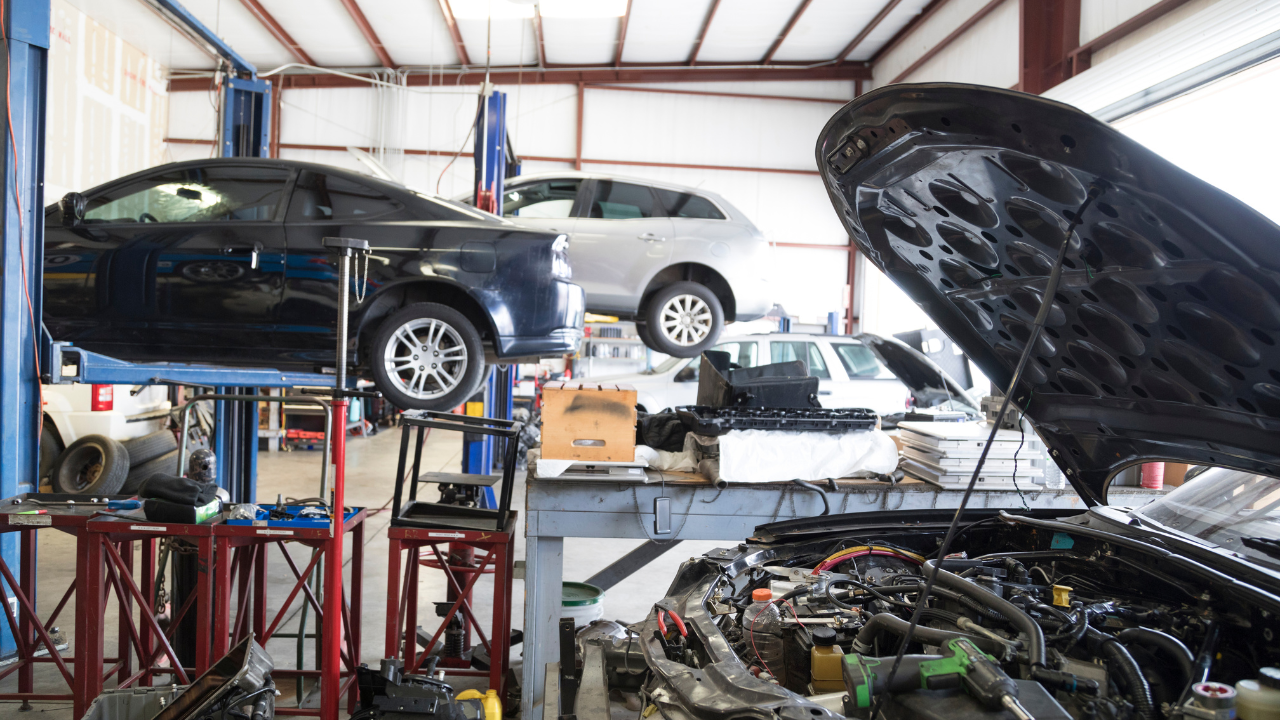
The warranty and insurance coverage terms play a crucial role in choosing a used car. If you plan to purchase a car with more than 100,000 miles, the factory warranty on such a vehicle is likely no longer valid. However, you may consider purchasing an additional warranty from third-party companies. If this is of interest, you should look for a car with less mileage as high mileage can increase the cost of the warranty and shorten its duration as the vehicle ages.
Type of Vehicle
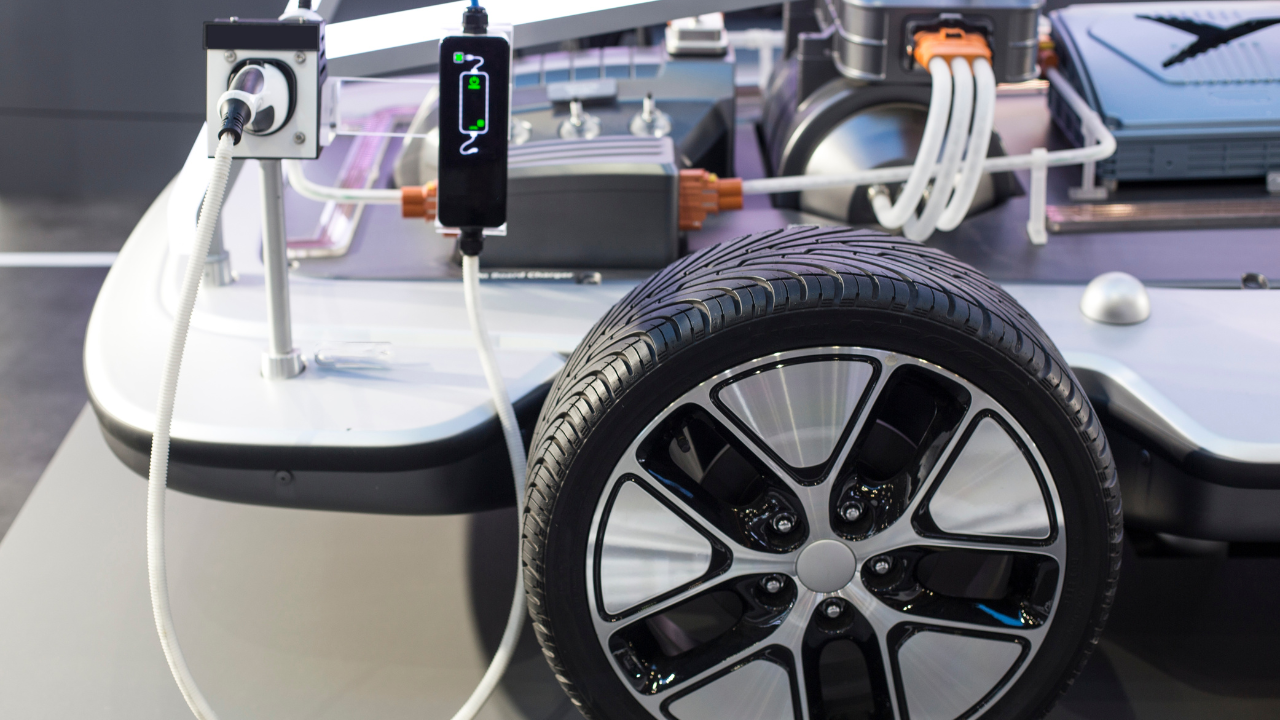
Electric vehicles have fewer moving parts than traditional gasoline cars and feature battery packs with a limited lifespan. Most automakers offer warranties on batteries and transmission components that extend up to eight years or 120,000 miles, but it's not uncommon to find used Tesla with much higher mileage. While EV batteries lose their charging capacity over time, thermal management technologies and other battery protection features from manufacturers can help extend their lifespan well beyond 120,000 miles.

Is 300,000 Kilometers Considered High Mileage for a Car?
A mileage of 300,000 kilometers can be considered high for cars, affecting their condition and reliability. What matters is how well the car has been maintained: regular maintenance and care can keep a vehicle operational even with such mileage.
However, buyers should expect potential additional repair costs. Some cars with this mileage might require major engine or transmission repairs, so a detailed inspection of the car's condition at a service station with a qualified mechanic is necessary before purchase.
If you are considering purchasing a used electric vehicle with six-figure mileage, it's crucial to thoroughly check the battery and electrical systems. You might get a great car that will last a long time, but you could also face a faulty battery and thousands of dollars in replacement costs.
Pricing and Resale
Let's start with the bad news: you are unlikely to get more money from selling your high-mileage car, especially after adding more kilometers to its mileage. Your decision to buy a high-mileage vehicle should be based on practical considerations: does it meet your transportation needs, will it be reliable during your ownership, and is the price reasonable? If the answer to any of these questions is "no", you might want to reconsider your purchase decision. Being stuck with a car you don't need or like can be disappointing.