Contents:
- 1. Is it Necessary to Warm Up Your Car in Winter?
- 2. Times Have Changed
- 3. Advancements in Motor Oils
- 4. How Long Should You Warm Up Your Car?
- 5. Other Reasons for Pre-Warming
- 6. Pre-Warming Electric Vehicles
Is it Necessary to Warm Up Your Car in Winter?
For a quick answer to this question, it's a "no". Nowadays, there is no need to warm up your car in winter for the sake of the car itself - except in cases where it's sufficiently old and equipped with a carburetor (unlikely if it's less than 30 years old) or if it's an electric vehicle or a hybrid with charging capabilities.
Times Have Changed
Undoubtedly, several decades ago, warming up the car was necessary for two main reasons related to the less sophisticated design of cars and motor oils. Most vehicles before the mid-1990s were equipped with carburetors instead of fuel injectors, and carburetors, even at their best, were imprecise devices, especially when starting, as they "choked" the engine and provided a rich fuel mixture until the engine warmed up.
Interested in buying a car? Auctions often have great deals. Check out our guide to choosing a car at auction and learn how to make a profitable purchase.
Advancements in Motor Oils
Over time, motor oils have evolved: they have improved, flow better at low temperatures, and are better suited to the engines they are used in. However, what hasn't changed is the increased wear at the moment of engine startup and in the first few seconds after its startup, before the oil begins to circulate and lubricate various surfaces. But today's oils are better at shortening this oil-free period.
How Long Should You Warm Up Your Car?
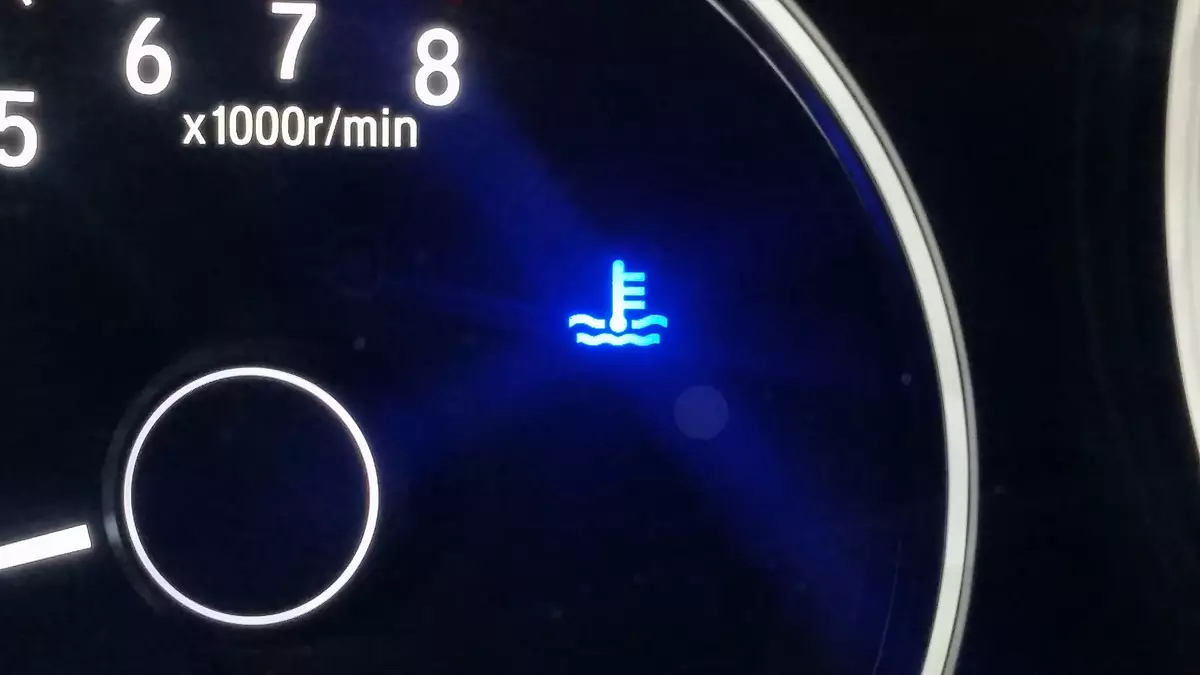
If you're still wondering how long to wait before shifting your car into gear after starting the engine in cold weather, the answer is 30 seconds. In a well-maintained and properly functioning vehicle, this amount of time is sufficient. The most important advice is not to accelerate too aggressively until the engine has fully warmed up. (This is also relevant in warm weather, though warming takes longer when it's cold) We're not saying you need to create traffic issues, but avoid rapid acceleration right after starting. For a hint, some sports cars - including BMW M and Chevrolet Corvette - have dashboards that start with a lower redline (this is the maximum recommended RPM on the tachometer) when the engine has just started, and gradually increases as the engine warms up.
Other Reasons for Pre-Warming
We suspect that cars are often warmed up in advance more for the comfort of the driver and passengers than for the car itself, be it manually or remotely through a key fob or smartphone. And we're not going to judge; getting into a warm car is more pleasant.
If you think your gasoline car takes a long time to warm up, try a diesel for comparison. Diesel engines are more efficient than gasoline ones, and considering that the engine's task is to produce motive power, heat is a sign of inefficiency. We've driven diesels in extremely low temperatures (zero degrees) that barely managed to heat the cabin.
You Should Pre-Warm Your Electric Vehicle

You might be surprised, but we do recommend pre-warming your electric vehicle or plug-in hybrid while it's still connected to the grid electricity, especially if your range is limited. The reason is that if you warm up using "grid" electricity, you preserve the full capacity of the battery for range and maintaining cabin temperature.
Key Takeaways on Car Warming in Winter:
- There's no need to warm up modern cars in winter for the sake of the car itself.
- In the past, warming up was necessary due to carburetors and less advanced motor oils.
- Modern oils handle low temperatures better and reduce wear during startup.
- It's sufficient to warm up the car for 30 seconds before starting to drive.
- Warming up the car also provides comfort for the driver and efficiency of windshield wipers.
- Diesel engines require more time to warm up than gasoline engines.
- Pre-warming electric vehicles and hybrids is recommended to preserve battery charge.