Contents:
- Advantages of Front-Wheel Drive
- Disadvantages of Front-Wheel Drive
- Advantages of All-Wheel Drive
- Disadvantages of All-Wheel Drive
- Alternatives to All-Wheel Drive
- All-Wheel Drive in Hybrid and Electric Vehicles
While front-wheel drive remains the standard, all-wheel drive is becoming increasingly available in a wide range of cars and SUVs. All-wheel drive is more intricate and expensive than front-wheel drive. Is it worth the extra cost? Read on to find out.
Advantages of Front-Wheel Drive
If you're in the market for an affordable sedan, it's likely to come with front-wheel drive. Rear-wheel drive sedans are typically reserved for sporty and luxury cars (the latter also available with all-wheel drive). Rear-wheel drive provides enjoyment but is less reliable on slippery roads. Front-wheel drive cars reduce production and fuel costs, offering an affordable, efficient (and safe) everyday vehicle.
Disadvantages of Front-Wheel Drive

Despite these advancements, only two wheels propel the car. If one of the front wheels loses traction on snowy and/or icy roads, the car relies on one of the remaining wheels to provide remaining traction. In dry conditions, rear-wheel drive cars provide enjoyment as power comes from behind, and the connection to the steering feels more tangible. Front-wheel drive cars are simply "point and go," but they usually lose tactile feel when going through a turn.
Choose a car from Copart auction on your own or contact our specialists who will help you select a car from the USA within any budget.
Advantages of All-Wheel Drive
Since power is distributed to all four wheels, all-wheel drive vehicles provide enhanced traction in any conditions. Yes, front-wheel drive has come a long way, but four driven wheels are still better than two. If one wheel loses traction, the other three wheels will assist in managing the load. All-wheel drive vehicles can more efficiently handle snow and ice, while powerful all-wheel drive cars can accelerate faster than two-wheel drive cars since they can deliver more power to the road.
Disadvantages of All-Wheel Drive
All-wheel drive is not flawless and is not a universal solution. It relies on computers to determine wheel slip and deliver power to the tires with the best traction. Some conditions may be too challenging for the system, such as intermittent ice and snow. Without appropriate all-season or winter tires, the all-wheel drive system will be less effective. All-wheel drive vehicles have more complex components. This means higher maintenance costs if something goes wrong. These additional components can limit space in the cabin as the rear floor must accommodate a driveshaft.
Alternatives to All-Wheel Drive
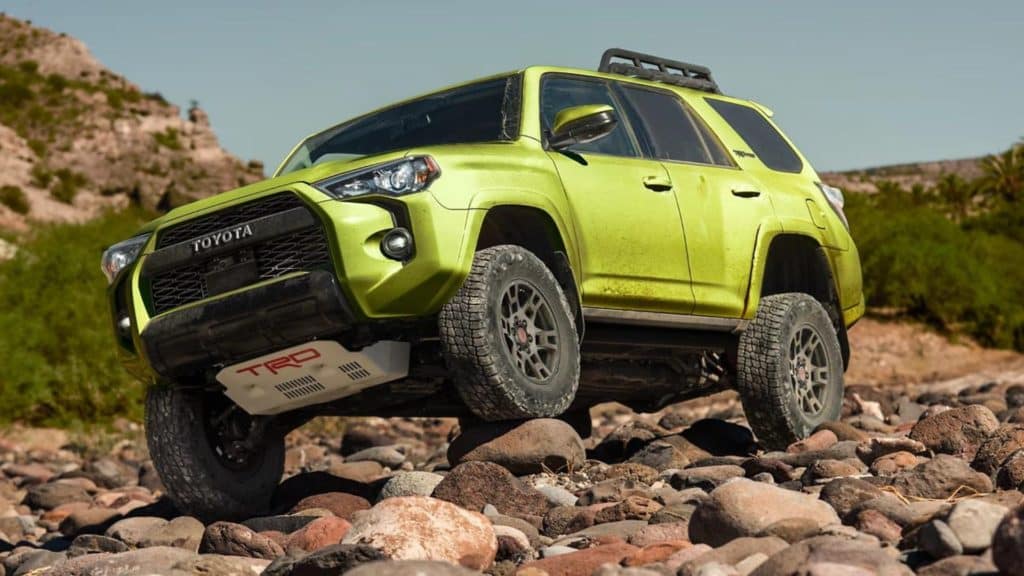
All-wheel drive is great for handling on-road conditions in any weather, but it's not very suitable for off-roading. If you're planning a trip off the beaten path, you'll need all-wheel drive. All-wheel drive directs power to specific wheels as needed, but four-wheel drive (4WD) is a more deliberate driver choice to engage all four wheels. Newer, more luxurious SUVs have automatic four-wheel drive, which engages when wheels slip, but it's still a more traditional 4WD system.
All-Wheel Drive in Hybrid and Electric Vehicles
Electrification opens up many new possibilities for how vehicles deliver power to the road. A unique application is the Toyota Prius e-AWD system. The hybrid powertrain drives the front wheels, while an electric motor is installed on the rear wheels. More popular mainstream SUVs with traditional all-wheel drive are equipped with a hybrid engine that supplements it. You get better traction, capabilities, and fuel efficiency.
To prevent potential issues, it's recommended to thoroughly check the car before purchasing in the USA. This can be done by checking its history through the VIN code, as well as obtaining Carfax and Autocheck reports. This way, you can ensure the car's reliability and avoid unpleasant surprises in the future.
Drive System Comparison: Key Takeaways:
- Front-Wheel Drive - more accessible, economical, and provides adequate traction in most road situations.
- All-Wheel Drive - provides enhanced traction in challenging weather conditions, but is more expensive to maintain and operate.
- Four-Wheel Drive - best choice for off-roading and harsh weather conditions, but less efficient on paved roads and heavier to operate.
- Alternative drives in hybrid and electric vehicles - offer a balance between traction, fuel efficiency, and environmental effectiveness.